The Escalating Iran Conflict: A Global Economy on Edge
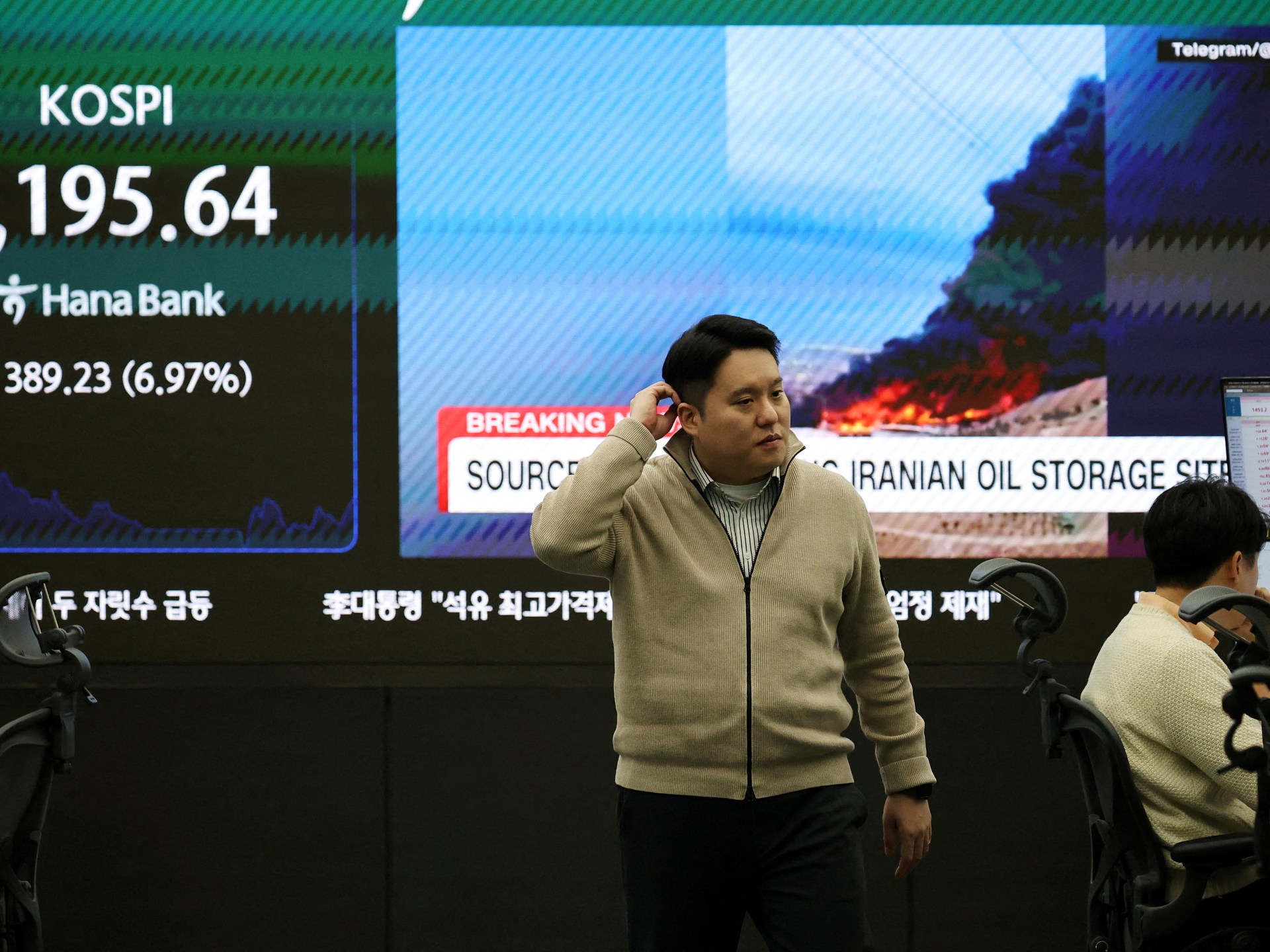
The Middle East once again finds itself a crucible of geopolitical tension, with the Iran Conflict Latest News painting a grim picture of escalating hostilities. What began as targeted strikes by the U.S. and Israel on February 28th has rapidly spiraled into a multi-front regional conflagration, now in its third week. Beyond the immediate human cost and the destruction unfolding on the ground, this intensifying conflict casts a long, ominous shadow over the global economy, most notably manifesting in a significant surge in oil and jet fuel prices. The ripple effects are profound, touching everything from international trade and supply chains to the daily cost of living for millions.
From intense aerial bombardments targeting energy infrastructure in Iran to retaliatory strikes across the broader Middle East, the cycle of violence shows little sign of abating. Reports from major news outlets confirm the widespread nature of the attacks, with Tehran itself coming under intense scrutiny. As Iran's Foreign Minister Abbas Araghchi emphatically stated, the country is prepared to take the war "as far as necessary," signaling a dangerous resolve that has policymakers and markets around the world on high alert.
Oil on Troubled Waters: The Global Economic Fallout
Perhaps the most immediate and tangible consequence of the escalating Iran Conflict Latest News is the dramatic impact on global energy markets. The very real threat of supply disruptions in one of the world's most vital oil-producing regions has sent shockwaves through the industry, pushing crude oil prices upwards at an alarming rate. This, in turn, directly correlates with a steep increase in jet fuel costs, a critical component for the global aviation industry.
Soaring Crude and Jet Fuel Prices
The war has introduced a significant "risk premium" into oil prices. Traders and investors, anticipating potential supply shortages or prolonged instability, are bidding up prices. Iran's status as a major oil producer, coupled with its strategic geographical position, means that any disruption directly impacts global supply. Furthermore, the conflict's spread to key shipping lanes amplifies these concerns. The knock-on effect on jet fuel is immediate and severe. Airlines operate on tight margins, and a substantial increase in fuel costs can rapidly erode profitability, leading to higher airfares, reduced flight schedules, and potentially slowing down global travel and commerce.
- Impact on Consumers: Higher prices at the pump for gasoline, increased costs for heating oil, and more expensive air travel.
- Impact on Businesses: Airlines face immense financial pressure, shipping costs rise for goods moved globally, and businesses reliant on transportation experience elevated operational expenses.
- Inflationary Pressure: Rising energy costs contribute directly to overall inflation, eroding purchasing power and potentially slowing economic growth worldwide.
The Strait of Hormuz: A Chokepoint of Global Concern
Central to the anxiety gripping energy markets is Iran's strategic positioning along the Strait of Hormuz. This narrow waterway, connecting the Persian Gulf with the Arabian Sea, is arguably the world's most vital oil transit point. A staggering percentage of the world's seaborne oil passes through this strait daily. Iran has previously threatened to "set fire" to ships attempting to sail through it during times of heightened tension. While Iranian state media has also indicated that a small number of ships from certain countries are currently allowed passage, the underlying threat of disruption remains potent and ever-present. Any significant blockade or sustained attacks in this region would send oil prices soaring to unprecedented levels, triggering a full-blown global economic crisis.
Companies reliant on global supply chains or energy-intensive operations should be reviewing their contingency plans, exploring alternative routes, and hedging against further price volatility. For individual consumers, preparing for potential increases in travel costs and general inflationary pressures linked to energy is a prudent step.
Beyond the Battlefield: Geopolitical Maneuvers and Human Cost
While economic tremors are felt globally, the human tragedy unfolding in the Middle East cannot be overstated. Reports from Tehran and Karaj speak of widespread exhaustion and sleepless nights for Iranian citizens under continuous attack. The conflict has also seen devastating civilian casualties, including a heartbreaking incident where a Tomahawk missile strike on a Minab school reportedly killed at least 170 people, predominantly children. Neighbourhoods in Beirut's southern suburbs have also been left in ruins by Israeli bombing attacks, highlighting the conflict's devastating regional spread and civilian toll. For a deeper understanding of these tragic events, please refer to our related coverage: Iran Conflict Spreads: Civilian Toll Mounts Amid Intense Attacks.
Diplomacy's Difficult Dance
Amidst the escalating violence, diplomatic efforts are struggling to gain traction. Despite claims by former U.S. President Trump that Iran desired a deal, Iran's Foreign Minister explicitly stated the country has not "asked for a ceasefire." President Putin has positioned himself as a potential mediator, but selling this role has proven challenging, as noted by BBC's Russia editor. Meanwhile, Qatar's foreign ministry spokesman, Majed al-Ansari, has openly accused Iran of targeting civilian areas and called for immediate de-escalation, reflecting growing international concern and pressure.
Degradation of Regional Power
Experts suggest that every aspect of Iran’s ability to project regional power is being successfully degraded by the ongoing strikes. While Iran's launch capabilities may be diminished, analysts caution that the nation still possesses enough missiles to fire strategically, maintaining a state of regional unease. This complex dynamic makes predicting the conflict's trajectory incredibly difficult, balancing perceived military advantages with the deep-seated resolve of the involved parties.
What Lies Ahead? Uncertainty and Future Scenarios
The current Iran Conflict Latest News underscores a highly volatile situation with no clear end in sight. While military planners always include "off-ramps" in their war strategies, the possibility of further escalation remains a significant concern, especially if leaders move to increase pressure. Iran's clear indication of being ready to take the war "as far as necessary" combined with the degrading of its regional power projection capabilities creates a dangerous paradox. A cornered adversary can sometimes be the most unpredictable.
The global community watches anxiously, hoping for a de-escalation that seems increasingly distant. The ongoing conflict has not only exacted a terrible human cost but has also undeniably rattled the global economy, particularly through its profound impact on oil and jet fuel prices. The interplay of military actions, diplomatic failures, and the desperation of affected populations points towards a future fraught with uncertainty, demanding urgent and concerted international action. For more insights into potential escalations, read: Iran War Latest: Escalation Fears Rise as Regional Power Degrades.
In conclusion, the Iran war represents a severe challenge on multiple fronts. Its most immediate global economic manifestation—the surge in oil and jet fuel prices—is a stark reminder of our interconnectedness and vulnerability. Beyond the economic indicators, the untold suffering of civilians and the unraveling of regional stability paint a grim picture. The urgent priority for the international community must be a path towards de-escalation and a lasting resolution to prevent further economic turmoil and humanitarian catastrophe.