Iran Conflict Spreads: Civilian Toll Mounts Amid Intense Attacks
The Middle East finds itself engulfed in a rapidly intensifying conflict, as the war involving the U.S. and Israel against Iran enters its third week. What began with targeted strikes on February 28th has metastasized into a wider regional conflagration, with devastating consequences for civilian populations and profound tremors felt across the global economy. As we track the Iran Conflict Latest News, the narrative is increasingly dominated by escalating military actions, significant civilian casualties, and a diplomatic landscape fraught with complexity and uncertainty.
Escalation Across the Middle East: A Spreading Inferno
The initial strikes launched by the U.S. and Israel against Iran on February 28th have, predictably, led to a cycle of retaliation and counter-retaliation that shows no signs of abating. Reports indicate fresh strikes sweeping across the Middle East, with Iran specifically targeting energy infrastructure in its response. Concurrently, major Iranian cities like Tehran and Karaj have endured relentless attacks, leaving residents exhausted and struggling to find respite.
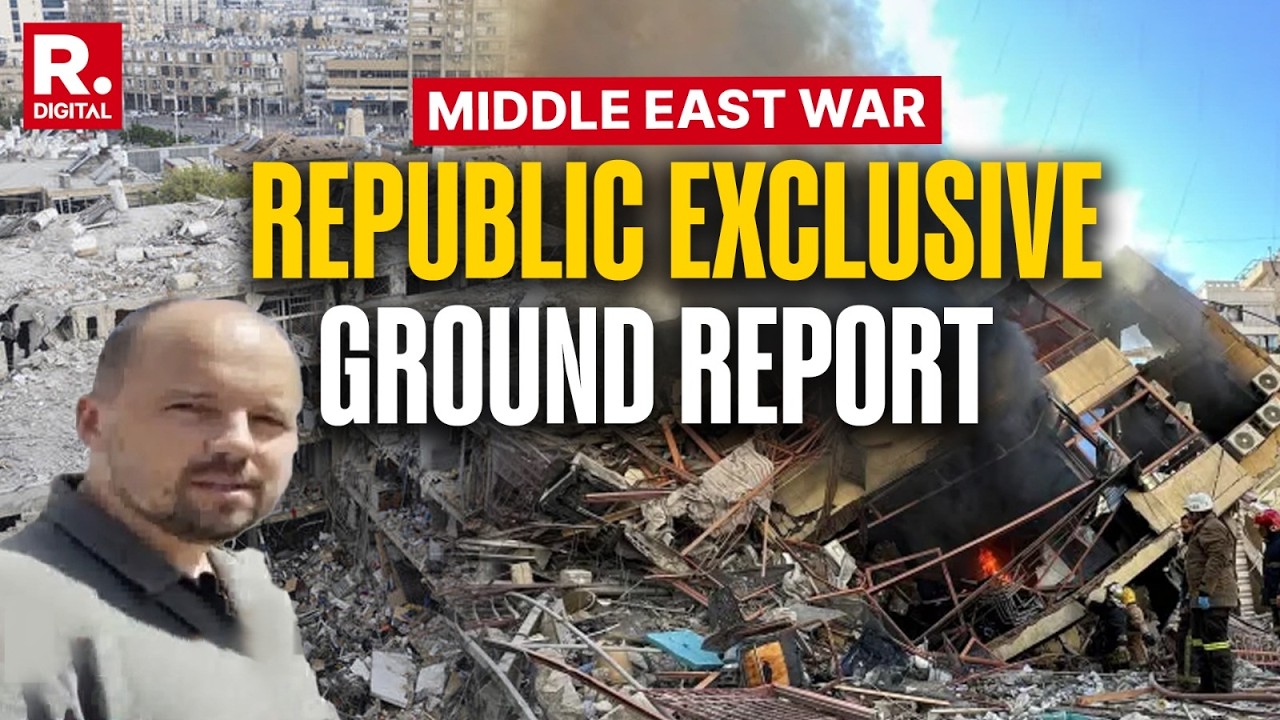
The geographical spread of the conflict is alarming. Experts are observing significant destruction in Beirut’s southern suburbs, left in ruins by Israeli bombing attacks. This expansion beyond Iran’s borders underscores the regional nature of the crisis. Qatar’s foreign ministry spokesman, Majed al-Ansari, has voiced strong accusations against Iran for targeting civilian areas, emphasizing the urgent need for de-escalation. However, Iran, through its Foreign Minister Abbas Araghchi, has stated its readiness to escalate the war "as far as necessary," indicating a hardened stance and little appetite for a ceasefire, despite previous suggestions to the contrary by figures like Donald Trump.
A critical flashpoint for further escalation remains the world's most vital oil transit point. Iran has issued stark warnings, vowing to "set fire" to any ships attempting passage, a move that could choke global energy supplies and trigger an unprecedented international crisis. While war planning inherently includes "off-ramps" for de-escalation, the current trajectory suggests a heightened risk of increasing pressure and further military action from all sides, making the prospect of a swift resolution seem distant.
The Human Cost: Civilians Caught in the Crossfire
Amidst the geopolitical maneuvering and strategic military strikes, the most heartbreaking aspect of the expanding conflict is the mounting civilian toll. The residents of Tehran and Karaj, enduring over ten days of intense attacks, speak of being perpetually exhausted and unable to sleep, a grim testament to the psychological warfare of constant bombardment. This daily terror profoundly impacts mental health, community cohesion, and the very fabric of society.
Tragically, the conflict has also claimed the lives of hundreds of innocent people, including a particularly devastating incident in Minab where a school strike, likely involving a Tomahawk missile, killed at least 170 people, predominantly children. This incident highlights the brutal reality that in modern warfare, civilian infrastructure, including schools, often becomes collateral damage, or worse, a direct target.
Understanding the Impact:
- Displacement Crisis: The destruction in areas like southern Lebanon hints at a looming displacement crisis, forcing countless families from their homes and creating a humanitarian emergency.
- Humanitarian Aid: The international community faces immense pressure to provide humanitarian aid and establish safe corridors for civilians, though challenges are significant in an active conflict zone.
- Long-term Trauma: The physical wounds are visible, but the psychological scars on survivors, especially children, will last generations, underscoring the need for long-term support and reconciliation efforts once the fighting ceases.
Global Repercussions: Economic and Diplomatic Fallout
The Global Economy Alert: Iran War Fuels Oil and Jet Fuel Price Surge is not merely a headline; it's a stark reality reverberating through markets worldwide. The conflict has sent shockwaves through the global economy, most notably manifesting in significant spikes in oil and gas prices. Jet fuel, critical for global logistics and air travel, has seen a dramatic increase, impacting everything from airline ticket prices to the cost of shipping goods. This economic instability is further compounded by domestic issues, such as a DHS shutdown in the U.S. leading to lengthy airport security lines, a direct but indirect consequence of resources being diverted or strained by the broader geopolitical climate.
Diplomatically, the situation is a tangled web. Iran's steadfast assertion that it has not "asked for a ceasefire," directly contradicting previous claims, signals a strong resolve to continue military actions. This stance complicates any mediation efforts, particularly for figures like President Putin, who has positioned himself as a potential mediator but faces an uphill battle given the deep-seated animosities and conflicting interests. The rhetoric from Iranian state media, calling for the symbolic burning of figures representing Trump and Netanyahu during fire festivals, further illustrates the charged emotional and ideological dimensions of the conflict, far beyond mere military objectives.
Interestingly, the conflict’s reach even touches the world of sports. FIFA President Gianni Infantino reported that U.S. President Donald Trump, despite the ongoing war, stated Iran would be "welcome" to participate in the summer's World Cup. While a seemingly minor detail, it highlights the bizarre juxtapositions that arise in times of global tension, where normal international relations attempt to persist amidst hostilities.
Iran's Evolving Strategy and Degraded Capabilities
As the conflict wears on, the strategic landscape surrounding Iran is complex. While a spokesperson for Iran’s Central Headquarters asserted that wars are decided on the battlefield, not social media, the reality suggests a dynamic interplay of military might, diplomatic posturing, and economic resilience. Experts concur that every aspect of Iran’s ability to project regional power is actively being degraded. This includes not just military hardware but also logistical networks and command structures.
However, this degradation does not equate to impotence. Despite facing challenges with their launch capabilities, experts warn that Iran retains enough missiles to engage strategically and maintain a regional sense of unease. This capability means that even with diminished resources, Iran can still pose a credible threat and influence the conflict's trajectory. Tehran's decision to allow a limited number of ships from specific countries to pass through the vital waterway, even while threatening others, indicates a strategic balancing act – asserting control while attempting to avoid a complete global blockade that could draw more international ire and intervention.
The Iran War Latest: Escalation Fears Rise as Regional Power Degrades underscores a critical paradox: a weakening state can still be a dangerous one, especially when cornered. The military occupation of southern Lebanon by Israel and the subsequent displacement crisis, which experts suggest is being leveraged to dictate ceasefire terms, further complicates the regional power dynamics. This strategic manipulation of humanitarian crises for military advantage adds another layer of suffering and prolongs the path to any potential peace.
Conclusion
The Iran Conflict Latest News paints a grim picture of a region in turmoil, with significant implications far beyond its borders. The widespread escalation of attacks, the tragic and escalating civilian toll, and the profound economic ramifications are creating a multifaceted crisis. While the military and diplomatic strategies continue to evolve, with Iran demonstrating resilience despite degraded capabilities, the human cost remains the most pressing concern. As global leaders grapple with mediation and de-escalation, the international community must prioritize humanitarian aid and work towards a swift and peaceful resolution to prevent further loss of life and avert a wider, more catastrophic regional war.